When most people hear about artificial intelligence in Africa, they picture foreign aid projects or Silicon Valley moonshots parachuting in with big promises. But the 2025 CIPIT report, The State of AI in Africa, reveals something much more compelling: a quiet, homegrown revolution led by African small and medium enterprises (SMEs)—especially those rooted in agriculture.
This isn’t just another tech report. It’s a wake-up call.
SMEs: Africa’s Unsung AI Trailblazers
While policymakers and corporate giants are still debating AI ethics and cross-border regulations, many African SMEs are already elbow-deep in practical experimentation. According to the CIPIT report, Kenya, Nigeria, and South Africa lead the pack—but it’s not just about geography. It’s about resilience meeting resourcefulness.
Take Kenya’s agritech startup ecosystem, for instance. Tools like Virtual Agronomist and PlantVillage are already using AI-powered image recognition and weather prediction to help smallholder farmers spot crop diseases early, optimize irrigation, and even connect with micro-finance institutions. These tools don’t need a massive IT department to run—they’re lightweight, mobile-first, and built with the end user in mind: the rural farmer navigating unpredictable climates and tighter margins.
What Makes This Movement Matter?
At its core, the report captures a shift that’s more socio-economic than purely technological. African SMEs aren’t adopting AI because it’s trendy—they’re adopting it because it solves real problems:
- Crop failures due to pests or drought? AI can now predict and alert farmers before disaster strikes.
- Limited access to agronomists? Chatbots and mobile diagnostics fill the gap.
- Rural financing barriers? AI-driven credit scoring, built from local transactional data, enables fairer microloans.
In other words, AI isn’t a moonshot—it’s a machete: practical, grounded, and fit for purpose.
Policy Laggards, Entrepreneurial Leaders
Interestingly, the report notes that policy frameworks across the continent are lagging behind entrepreneurial momentum. In many cases, regulatory ambiguity hasn’t stopped SMEs—it’s simply been ignored. While this organic growth is inspiring, it’s also risky. Without thoughtful data governance, localization standards, or basic AI literacy among policymakers, even well-meaning innovations can deepen existing inequities.
The report calls for what it dubs “harmonized enablement”: a coordinated effort between governments, incubators, academia, and private sector actors to create environments where ethical AI can flourish—without stifling the bottom-up creativity that defines Africa’s startup scene.
From AI Pilots to Scalable Platforms
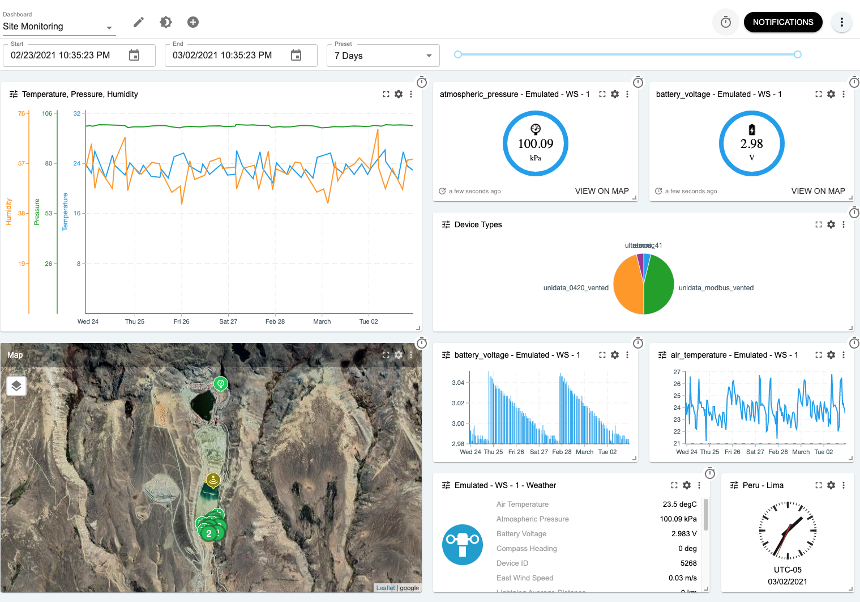
One of the more optimistic findings in the report is the evolution from pilot projects to scalable platforms. We’re no longer in the land of “proof-of-concept fatigue.” Platforms like Apollo Agriculture and Hello Tractor are building robust backend systems using AI to manage supply chains, predict market trends, and offer analytics dashboards that even non-tech-savvy farmers can use.
Even better, there’s evidence that these innovations are contagious: SMEs in energy, logistics, and even informal retail are beginning to mirror the tools and tactics pioneered in agriculture. Think AI chatbots for customer service in local markets, or facial-recognition-based security for informal traders.
What’s Next?
The CIPIT report doesn’t end with fanfare—it ends with a challenge: Will Africa double down on its bottom-up innovation, or will fractured policies and digital inequalities widen the gap? The answer, as always, lies in the hands of its entrepreneurs—and those willing to support them.
But one thing’s clear: AI in Africa isn’t coming. It’s already here. And if SMEs continue leading the charge with the same mix of grit and ingenuity, the continent won’t just catch up to the Fourth Industrial Revolution—it’ll remix it.